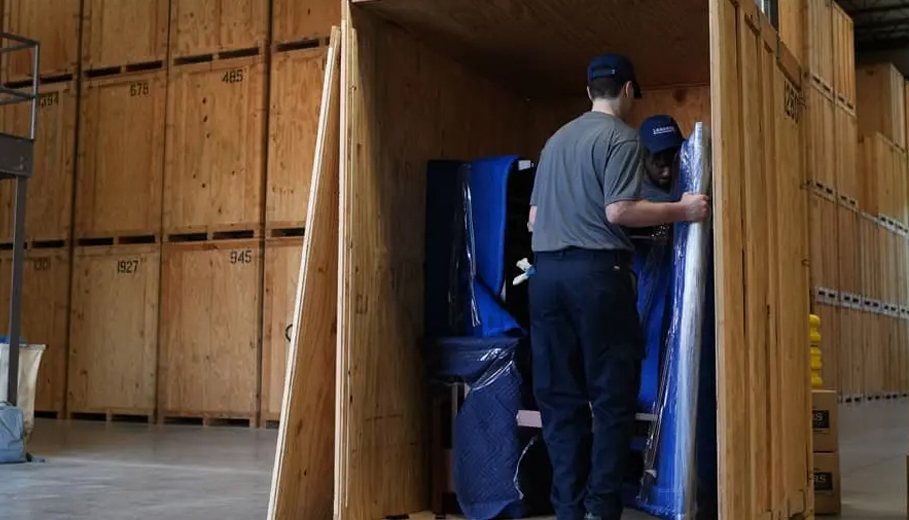
Planning a relocation often involves more than transporting boxes from one address to another. You may need help packing, coordinating different move dates, protecting furniture, or storing belongings between homes. That is why moving services and storage in Orange County are frequently considered together rather than as separate needs.
The right plan depends on the type of move, the amount of preparation required, and whether your next destination is ready when you leave your current one. This guide explains how to organize those decisions, what to ask when comparing providers, and how professional assistance can make a complicated move easier to manage.
When moving and storage services make sense together
Storage can be useful whenever the timing of your move does not line up perfectly. For example, you might be moving out before your new home is available, preparing a property for sale, downsizing, or coordinating a household move in stages. A storage moving service can help connect the transportation portion of the relocation with the period when your belongings need to be held elsewhere.
Storage may also help when you are renovating, relocating for work, or managing an estate. Instead of trying to fit every item into a temporary living space, you can separate the belongings you need immediately from those that can remain stored until your plans are settled.
Before scheduling anything, identify the expected gap between leaving one location and moving into the next. Even an approximate timeline helps you determine whether you need short-term storage, a longer arrangement, or a move completed in one continuous delivery.
Start with the type and scope of your move
A clear description of the move helps a moving company understand what kind of support may be appropriate. Consider the following questions:
- Is the move local, within California, or across state lines?
- Are you moving a household, an office, or a combination of spaces?
- Will all belongings go to the new destination, or will some items be stored?
- Do you want to pack everything yourself, or do you need packing moving services?
- Are there large, fragile, unusually shaped, or especially valuable items that require advance planning?
- Are the pickup and delivery locations accessible for the moving crew and equipment?
These details are more useful than simply estimating the number of boxes. The total volume, furniture types, packing requirements, travel distance, access conditions, and storage timeline can all affect the work involved.
Choose packing support based on your schedule
Packing is often the part of a move that takes the most time because it involves sorting, protecting, labeling, and making decisions about what should travel. A self-packed move may work well if you have enough time and prefer to manage each item personally. Professional packing support may be worth considering when your schedule is tight or when the household includes fragile furnishings and large quantities of belongings.
If you pack on your own, begin with items that are used less often. Label each box with both its destination room and a brief description of the contents. Keep important documents, medication, keys, chargers, and basic clothing separate from items that will be loaded for transport.
For a packing service, ask what the service includes and how the work will be organized. You can also clarify whether the provider will pack the entire home, selected rooms, or only specific categories of belongings. A defined scope helps prevent confusion as moving day approaches.
Plan the storage portion before moving day
Storage planning should cover more than where the items will be placed. Think about how long the belongings may be stored, whether you will need access during that period, and whether everything should remain together. If you expect to retrieve certain items before the rest, make those items easy to identify and load appropriately.
Create an inventory before loading. It does not need to be complicated: a room-by-room list, photographs, and labels can provide a useful record. Keep a copy of the inventory with your moving documents rather than placing the only copy inside a stored box.
It is also helpful to separate items by priority. Belongings needed immediately at your next destination should be clearly distinguished from seasonal items, excess furniture, records, or other things that can remain in storage. Discuss the intended arrangement with the moving company so the transportation and storage plan are coordinated.
Compare local, long-distance, and interstate moving needs
Not every relocation requires the same preparation. A local move may involve a shorter travel distance, but stairs, elevators, parking, building rules, and narrow access can still affect the schedule. Confirm access details for both addresses before moving day, especially if you live in an apartment, condominium, or office building.
Long-distance and interstate moves require additional timeline coordination. When the destination is outside California, confirm the pickup and delivery locations, anticipated timing, storage needs, and the services included in the plan. Terry Moving & Storage provides long-distance, interstate, state-to-state, and out-of-state moving services, along with local moving support.
For any move, ask how changes to the schedule should be communicated. A delay involving a closing, lease, construction project, or travel arrangement can affect packing, transportation, and storage. Having a clear point of contact makes it easier to update the plan when necessary.
Do not overlook commercial relocation planning
Businesses face different moving concerns than households. An office move may involve desks, files, equipment, inventory, and technology that need to be organized around normal operations. Some businesses may also need temporary storage while a new office is prepared or while a transition takes place.
Start by identifying what must be moved first and what can be packed in advance. Create labels that match the layout of the new space, and keep essential business materials accessible. If multiple departments or work areas are involved, assign someone to confirm what is being moved, stored, discarded, or installed at the destination.
Terry Moving & Storage offers commercial moving services in addition to residential moving and storage-related support. When requesting information, describe the size and type of workplace, the preferred schedule, building access requirements, and whether any items need temporary storage.
Questions to ask a moving and storage provider
Before choosing a provider, request a clear explanation of the recommended services and the expected sequence of work. Useful questions include:
- Which parts of the move are included: transportation, packing, loading, unloading, or storage?
- Can the move be coordinated with a gap between the pickup and delivery dates?
- How should fragile, oversized, or difficult-to-access items be identified?
- What information is needed about stairs, elevators, parking, gates, or building schedules?
- How will stored items be inventoried and prepared for eventual delivery?
- Who should be contacted if the move date or destination details change?
- Is the requested service local, long-distance, interstate, or state-to-state?
It is also reasonable to ask about the company’s background and the areas it serves. Terry Moving & Storage describes itself as a family-owned moving company with more than 37 years of experience. Its verified credentials include CAL-T 189603 and US-DOT 649215. These details can provide useful context as you compare providers, but the service plan should still be based on the specifics of your move.
A simple timeline for a more organized move
Several weeks before the move, decide what will be moved, stored, donated, or discarded. Gather important documents, begin reducing clutter, and contact moving companies for planning information. If storage may be needed, discuss it at this stage instead of waiting until the final packing days.
One to two weeks before moving day, confirm dates, access instructions, parking arrangements, and building requirements. Finish most packing and label boxes consistently. Set aside a personal essentials kit and keep the move-related paperwork easy to reach.
On moving day, keep walkways clear and identify items that should not be loaded. Review the plan with the moving team and make sure boxes intended for storage are clearly separated from items going directly to the new property. After loading, check closets, cabinets, garages, and outdoor areas so nothing important is left behind.
Find a moving and storage plan that fits your situation
Moving services and storage in Orange County can be easier to manage when the transportation, packing, and storage decisions are planned together. Start by defining your locations, timeline, belongings, and access conditions. Then ask a moving provider to explain which services match those needs.
Terry Moving & Storage provides local moving, storage moving, packing, long-distance, interstate, state-to-state, out-of-state, and commercial moving services. The company is located at 25958 Commercecentre Dr., Lake Forest, CA 92630, and serves communities and counties across California as well as selected areas in Texas.
Ready to discuss your move? Contact Terry Moving & Storage at 1-949-587-9490 or visit 25958 Commercecentre Dr., Lake Forest, CA 92630 to talk through moving, packing, or storage options.
